
Reap the Benefits of a School Garden Program This Spring
Spring is finally here, or so they say. Despite the cold temperatures, the days are getting longer, and the thermometer is slowly creeping higher…thankfully! Now is a great time to begin planning for your spring classroom activities. One of the most substantially beneficial ways to do so is to start a school garden program.
There are 2 different ways to go about starting a garden at your school. You can choose to do a garden school-wide, or with just your classroom alone. Either way, the students reap much more than just healthy fruits and vegetables.
The benefits of a school garden program are vast. Studies show students who participate in school garden programs score significantly higher on standardized science achievement tests (research based on studies done by Cornell University, and California School Garden Network).
Aside from higher test scores, students are reaping many other benefits, including:
- More exposure to healthy foods (fruits and vegetables)
- Increased consumption of produce
- Appreciation for nature and weather
- Getting students outside of the classroom
- Students being able to eat what they worked hard to grow
- Fewer discipline problems (even for kids with ADHD and autism)
- School pride
Developing a school garden program does take some planning, but it really isn’t overly complicated. KidsGardening.org has a program outlined specifically for schools wanting to begin. It walks you through everything from developing a gardening committee, designing your garden, and everything in between. Farm To School is another great resource for NJ teachers.
Starting a Classroom Garden
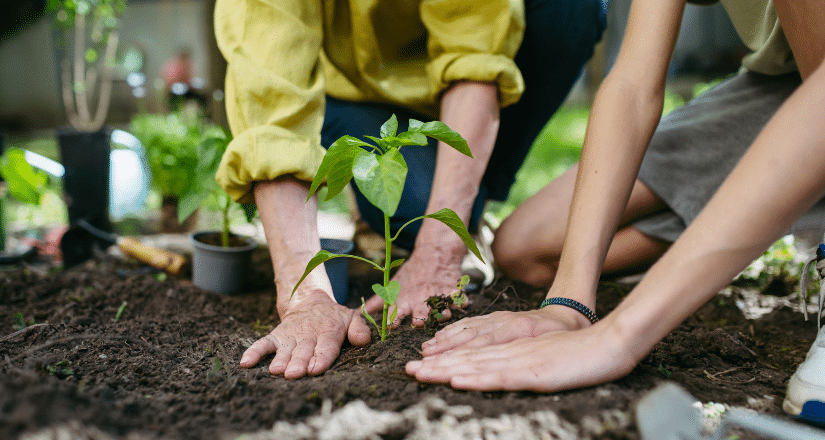
Maybe you just want a garden for your own classroom, and don’t really want to go to the trouble of making it school-wide. Classrooms can start their own garden and simply keep it all to themselves. No need for a committee (maybe a classroom parent or two.) To do this you will want to get a few garden boxes, maybe a fence, some seeds, and soil. Garden boxes are great because if done properly with bagged soil, you greatly reduce the amount of weeds you will need to pull.
If starting from seed, begin growing seeds in the classroom several weeks before you are ready to plant them outside. Ask parents to sign-up to bring in seed packets, bags of dirt (which can be purchased at stores like Dollar Tree), and plastic cups. Growing seeds is a fun project on its own, even before you add in the perk of then going outside, planting and harvesting. If you don’t have the lead time for growing from seeds, you can try visiting a local garden center for seedlings.
It might require a weekend day or two to get the garden put together, but students and parent volunteers can make light work of a tough job. Offering extra credit for coming in to help prepare the garden is an enticing way to get students motivated.
Living in the Garden State there are many options for vegetables and fruit to grow. Some of the easiest plants to grow are tomatoes, cucumbers, carrots, and green beans. Natural pest control methods are wonderful in keeping your garden pesticide-free.
Some of the following plants may help get rid of pests:
- Basil – repels flies and mosquitoes
- Mint – repels mosquitoes
- Rosemary – repels a variety of different harmful insects
- Marigolds – repels rabbits and mosquitoes
When should you start your garden?
The best time to start a garden in NJ is based upon when the last frost is expected, which is the 26th of April. Plan to start your garden around the end of April or first week of May. Remember to start your seeds inside a few weeks prior to that time though. Click here for a complete calendar of what to plant and when based on your city.
Starting a classroom garden or school garden program is a wonderful way to welcome spring and help kids appreciate nature…and maybe even eat their greens! Garden programs offer so many benefits to the students that are most definitely worth the effort if you have the capacity to do so.
When purchasing your supplies, remember that many stores offer educators a discount. For a list of stores please visit our Deals and Discounts page.
Have any school garden tips? Let us know in the comments!